
Understanding the Pitfalls in Decorative Concrete Design
Concrete stamping is a popular method to add beautiful designs and textures to concrete surfaces. However, many people face challenges when they do not approach this technique correctly. Avoiding these common mistakes can save you both time and money. Whether you are a DIY enthusiast or hiring professionals, knowing what not to do will ensure a smooth process and a stunning result.
Incomplete Surface Preparation
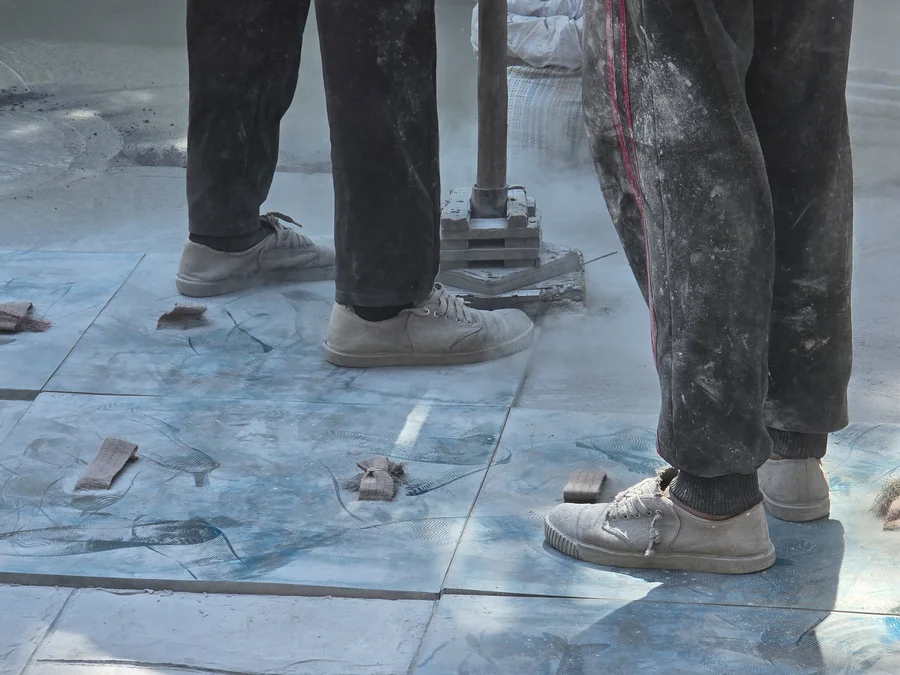
A crucial step often overlooked is preparing the surface adequately before applying the stamp. Proper cleaning and leveling of the surface prevent issues such as unevenness and weak adhesion. Without a clean and level base, even the best designs may crumble over time. Make sure you take the necessary steps to prepare your concrete for stamping by removing debris and checking for cracks.
Poor Timing in Applying Concrete Stamping
The timing of when you apply the concrete stamping is critical. Concrete that is too wet will not hold the design properly, while concrete that has set too much will resist stamping efforts. This timing issue can lead to distorted patterns or incomplete impressions. You should aim for a semi-soft consistency that allows for clear and crisp pattern placement.
Using Inappropriate Tools and Materials
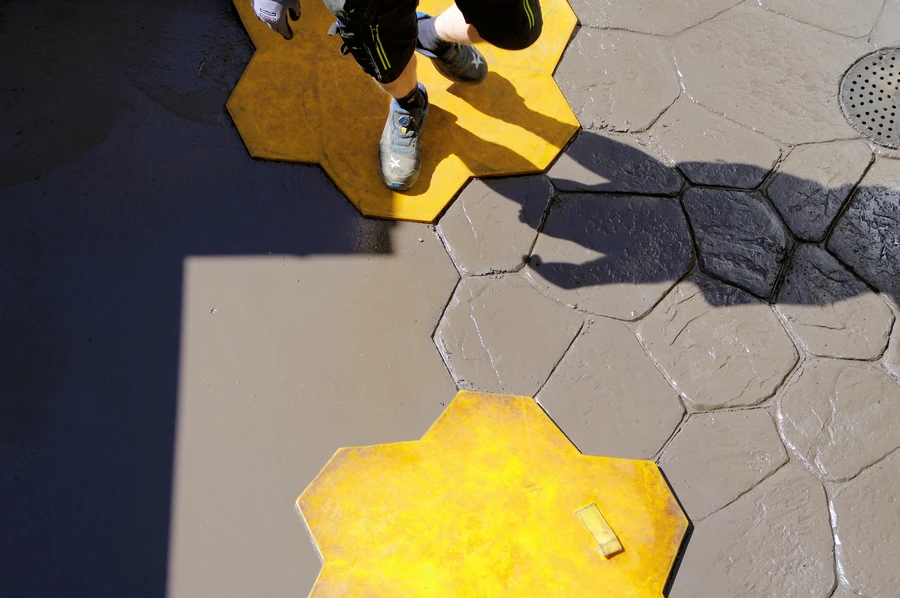
Using the right tools and materials is essential for successful concrete stamping. Many make the mistake of using low-quality stamps or incorrect release agents, which can ruin the final appearance. Choose professional-grade stamps and suitable release agents to ensure lasting quality and visual appeal.
Overuse of Release Agent
While release agents are vital for preventing the stamps from sticking to the concrete, using too much can create problems. Excessive use leads to surface discoloration and affects the texture’s clarity. It’s important to follow manufacturer guidelines on how much release agent to apply.
Lack of Sealer Application
After completing the stamping process, applying a protective sealer is essential. Many skip this step, leading to damage from weather elements and wear over time. A sealer protects against moisture, UV rays, and stains, enhancing the longevity and appearance of your stamped concrete.
Ignoring Maintenance Needs
Once your project is complete, ongoing maintenance is crucial for keeping your stamped concrete looking its best. Ignoring regular cleaning and resealing needs can quickly lead to deterioration. By scheduling periodic upkeep, you preserve the beauty and integrity of your decorative concrete.
Tips for Successful Implementation
- Always test a small area first to see how the designs appear.
- Ensure all tools are clean and ready before starting.
- Consider weather conditions; avoid extreme temperatures during application.
- Follow recommended curing times strictly.
Avoiding Future Problems With Best Practices
To avoid future issues, follow industry best practices closely. Attend workshops or consult professionals if you’re new to this technique. Keeping up with innovations and changes in methodologies ensures you’re always implementing the most effective strategies.
The Cost Factor in Concrete Design
When planning your project, consider the cost implications carefully. Factors like high-quality materials and expert labor add to upfront expenses but promise better results and longevity. Weigh your budget against potential long-term savings from reduced repairs due to superior methods.
Your Path to Perfectly Stamped Concrete
Ensuring your project succeeds begins with avoiding these common pitfalls. Located in Tracy, CA, I provide exceptional craftsmanship tailored to your project’s needs. Call (925) 398-9530 today for advice on achieving flawless results. At MC Residential Concrete Contractor, I focus on delivering quality without compromise.